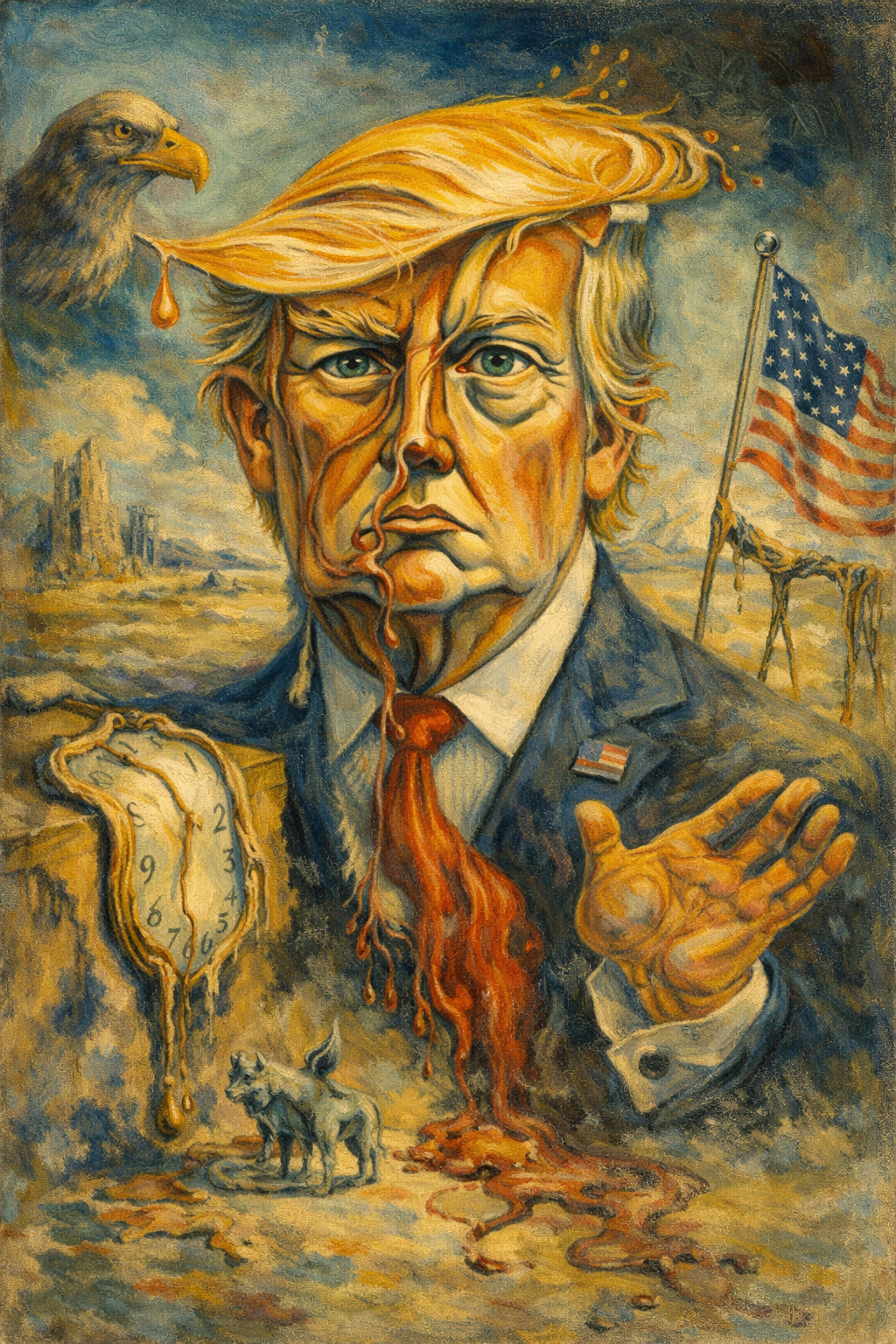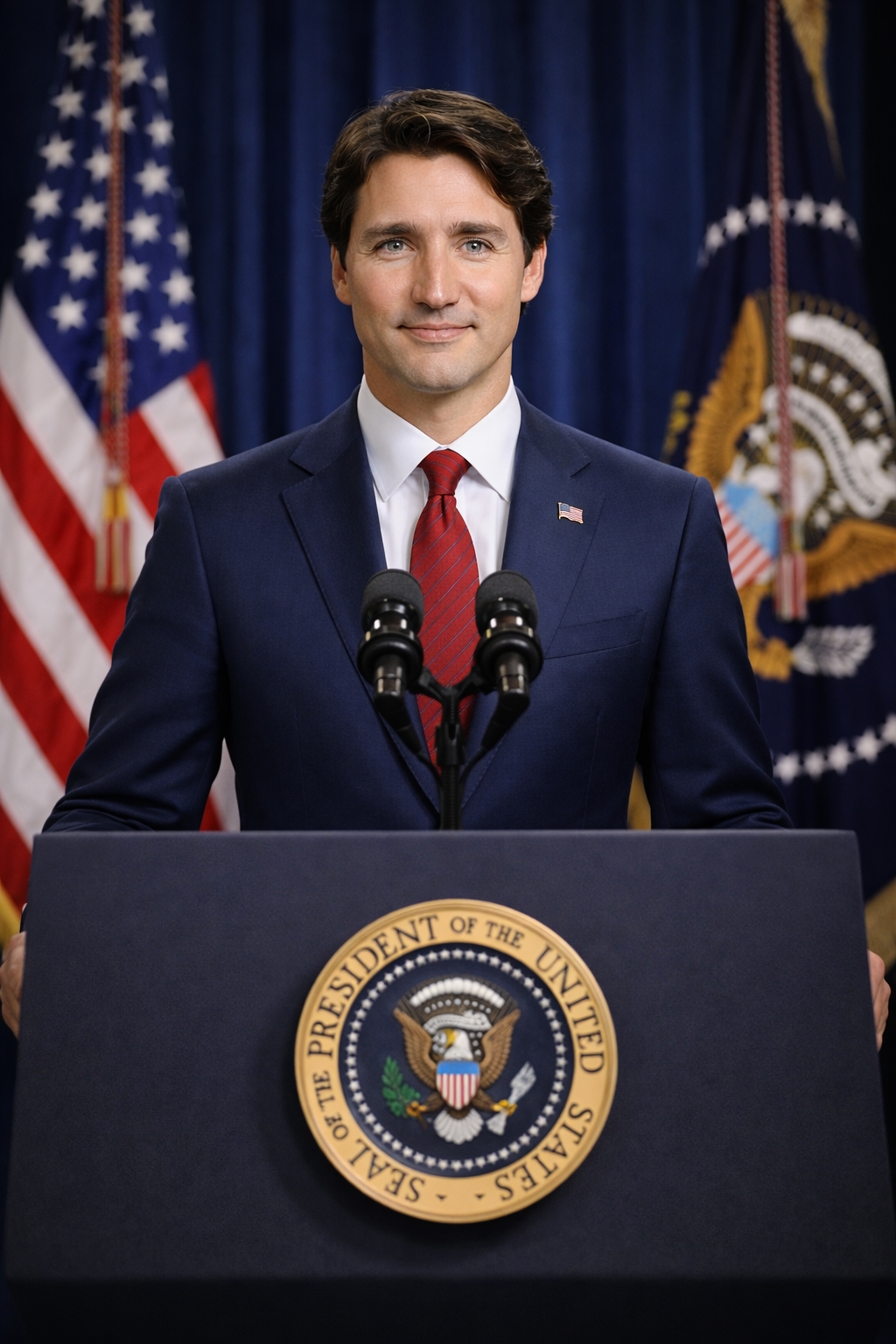
If Canada were to join the United States as one or more states, the transformation would be profound—politically, culturally, and psychologically. The merger would not simply redraw a border; it would redefine the character of North America.
Politically, the most immediate impact would be electoral. Canada’s population of roughly 40 million would make it larger than California and comparable to the biggest U.S. states. Depending on how it were incorporated—whether as a single large state or divided into several—Canada would send a significant bloc to the House of Representatives and at least two senators per state to the Senate. If admitted as multiple provinces-turned-states, the Senate balance could shift dramatically. Urban centres such as Toronto, Montreal, and Vancouver tend to lean canter-left by American standards. Their integration could strengthen the Democratic Party, especially on issues like healthcare, climate policy, and gun control. At the same time, resource-rich regions like Alberta and Saskatchewan might align more closely with Republican energy and deregulation priorities, creating new internal coalitions that scramble current partisan maps.
Healthcare would be one of the most visible fault lines. Canada’s publicly funded system would introduce tens of millions of citizens accustomed to universal coverage into an American framework still divided over the Affordable Care Act and the role of private insurers. Political pressure to harmonize systems could push the U.S. toward a more public option model—or alternatively force Canadian provinces to adapt to a more privatized structure. Either way, the debate would intensify, not soften.
Culturally, the shift would be subtler but no less important. Canada’s national identity has long been shaped in part by differentiation from the United States—emphasizing moderation, multicultural policy, and a less militarized civic tone. Joining the U.S. would blur that contrast. American culture would absorb a stronger strain of parliamentary pragmatism, a greater acceptance of bilingualism (particularly French), and a more entrenched norm of multicultural accommodation. Quebec’s presence alone would elevate French language rights to a continental issue, possibly increasing federal bilingual services and reshaping education policy in border states.
Gun culture would likely evolve. Canada’s stricter firearm regulations reflect a different historical relationship with frontier mythology and individual arms. The addition of millions of voters socialized in that environment could shift the national conversation toward tighter standards, especially in suburban and urban districts.
On foreign policy, the symbolism would be enormous. The United States would gain direct access to Arctic sovereignty claims, vast freshwater reserves, and expanded energy and mineral resources. With Canada’s northern geography, Arctic policy would move from a peripheral issue to a central strategic concern. The combined country would border Russia more closely and have an even larger footprint in NATO and global climate negotiations. However, it might also inherit Canada’s stronger emphasis on multilateral diplomacy and peacekeeping traditions, tempering some of America’s unilateral instincts.
Culturally, everyday life would likely blend more than clash. Hockey would gain even greater prominence in American sports culture; Thanksgiving would become a more layered tradition with dual historical narratives; and a softer rhetorical style might enter political discourse—though American media intensity would almost certainly influence Canadian political norms in return.
Ultimately, the United States would become geographically vaster, politically more complex, and culturally more bilingual and multicultural. Rather than one nation swallowing another, the merger would create a hybrid: a superstate balancing American dynamism with Canadian social moderation. The experiment would test whether continental unity amplifies division—or creates a new North American civic identity altogether.